Pest Control – Crushed eggshells scattered around the base of plants can deter pests such as snails and slugs. These creatures dislike crawling over the sharp edges of broken shells, making eggshells a safe and chemical-free barrier.
Soil pH Regulation – Eggshells can reduce soil acidity over time. As they decompose, they release calcium carbonate, which neutralizes overly acidic soil and creates a healthier environment for many vegetables and flowers.
Waste Reduction – Using eggshells in the garden keeps them out of landfills and turns kitchen scraps into valuable resources, aligning with sustainable and eco-friendly practices.
How to Prepare Eggshells for the Garden
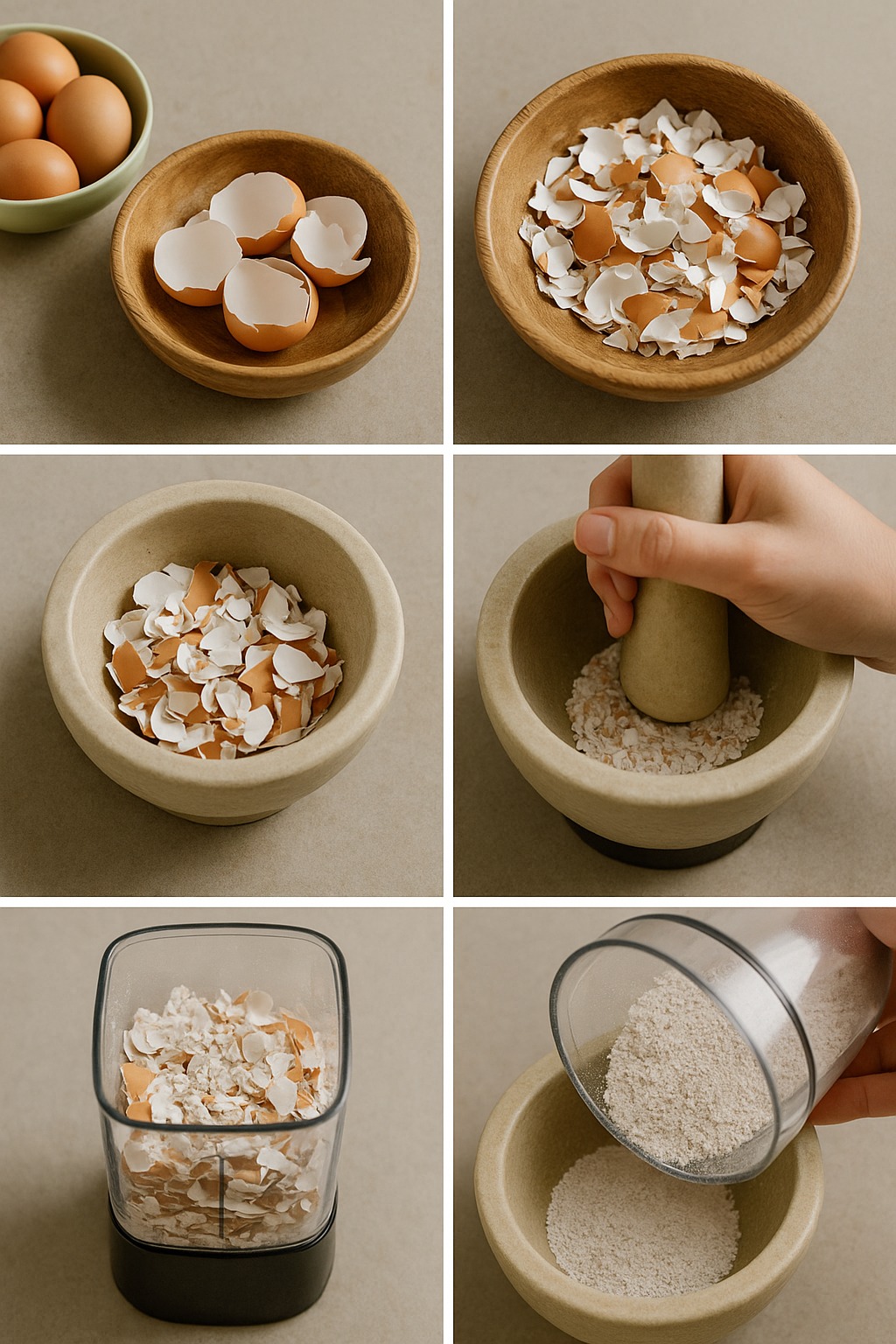
Before using eggshells in your garden, it’s important to clean and dry them properly. Rinse the shells under warm water to remove any egg residue, which can attract pests if left on. Then, let them dry completely — either by air-drying for a day or by placing them in a low oven for 10–15 minutes. Once dry, the shells are ready to be crushed, ground, or applied whole depending on your needs.
Ways to Use Eggshells in the Garden
1. Direct Application to Soil
The simplest method is to crush the dried shells and sprinkle them directly onto the soil. Over time, they will break down and release calcium and other minerals. This works especially well if you scatter them in garden beds during autumn, giving the shells time to decompose and enrich the soil before spring planting.
2. Eggshell Water for Plants
For a faster nutrient boost, you can make a liquid fertilizer. Boil about six eggshells in three liters of water for 10 minutes, then let the mixture cool. Use this water to irrigate plants. The boiling process extracts calcium and phosphorus, which are delivered directly to the roots when you water.
