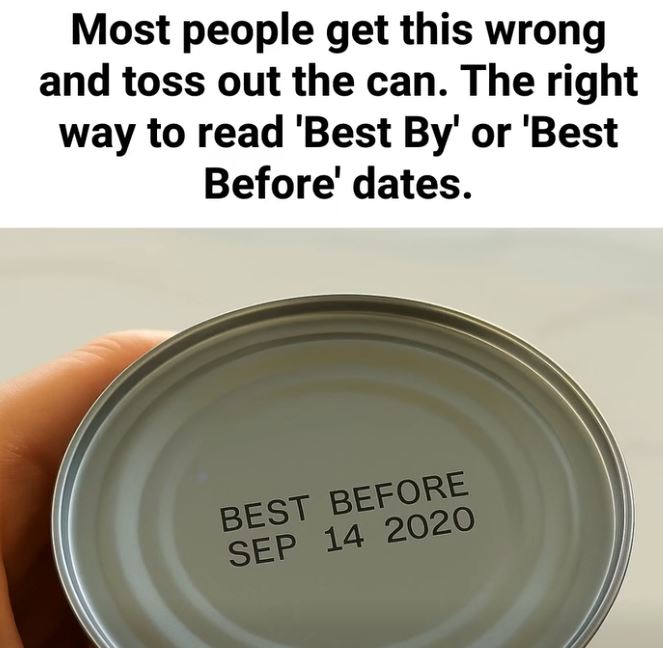
4. What Happens If You Eat Expired Canned Food
In most cases, eating slightly expired canned food just means you’ll experience bland flavor or soft texture — not illness.
But if the can was compromised or contaminated, you risk exposure to Clostridium botulinum, a bacteria that thrives in low-oxygen environments like sealed cans. The toxin it produces can cause botulism, leading to symptoms such as:
Nausea, vomiting, or abdominal cramps
Blurred vision
Difficulty swallowing or speaking
Muscle weakness
If you suspect botulism, seek medical help immediately. It’s rare but extremely serious.
5. How to Store Canned Food Safely
Proper storage is your best defense against spoilage and contamination — even before the expiration date passes.
Here’s how to keep your canned food in peak condition:
Store in a cool, dry place — Ideal temperature: 50°F–70°F (10°C–21°C).
Avoid heat or freezing — Extreme temperatures can cause cans to expand, contract, or crack.
Keep off the floor — Prevent rust and pest contamination by storing on shelves.
Rotate your stock — Use the “first in, first out” rule: oldest cans first.
Label clearly — If the printed date rubs off, write the purchase date with a marker.
6. How Long Past the Date Can You Keep It?
Here’s a general guide to how long canned food stays good after its “best by” date, assuming proper storage and no damage:
