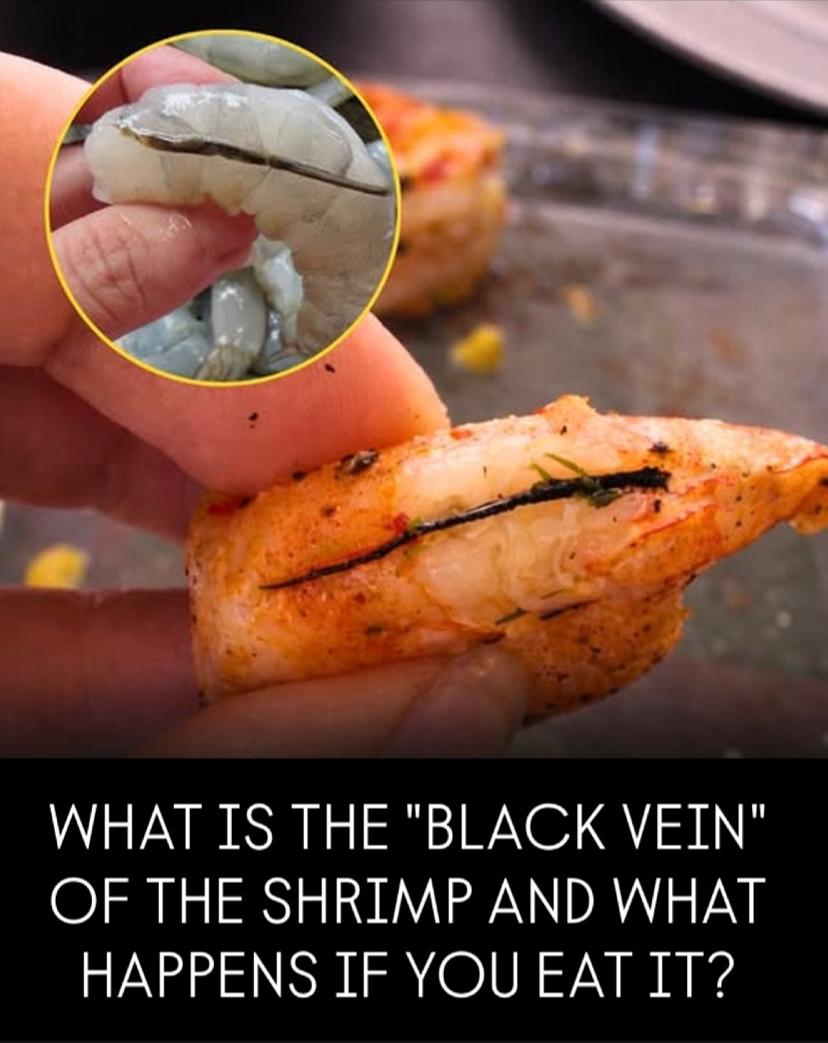
In the culinary world, experienced chefs and cooks generally agree that removing the vein enhances the final experience. By eliminating it, the shrimp offers a cleaner , milder, and more pleasant taste. When it’s not removed, some people perceive a slightly bitter flavor or a gritty sensation, especially in grilled or fried preparations. For this reason, although not mandatory, deveining is considered a recommended practice.
The technique for removing the vein is simple and requires no special tools. With raw shrimp, simply make a small, shallow cut along the back and remove the vein with the tip of a knife or a toothpick. This can also be done with cooked and peeled shrimp, although in that case the task may be slightly more difficult due to the firmness of the meat after cooking.
Not all shrimp have this vein visible. In smaller species , the vein is usually almost imperceptible and, in many cases, is left in. However, in larger shrimp, the vein is more noticeable and is usually removed for both aesthetic and culinary reasons. For this reason, pre -deveined shrimp are available on the market , designed to facilitate preparation at home and in restaurants.
A lesser-known fact is that shrimp also have another duct on the underside of their bodies, which is a blood vessel. This is free of debris and poses no problem, so it doesn’t need to be removed. Attention is focused exclusively on the dorsal line, which is what generates confusion among consumers.
