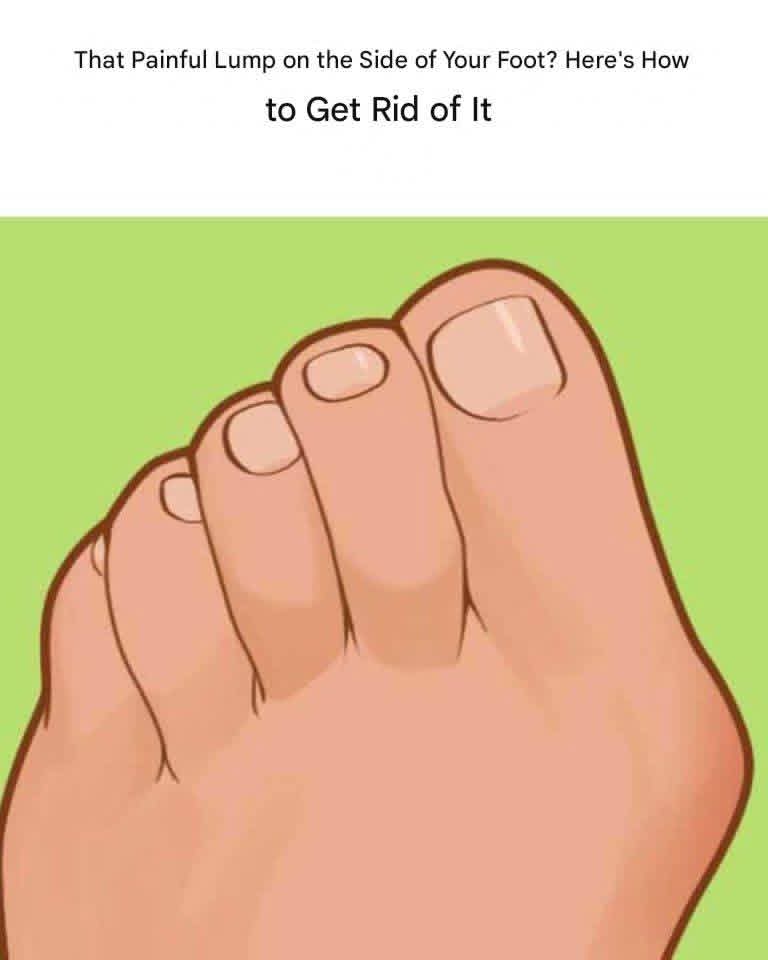
Bunions are caused by uneven pressure on the foot, often related to poor foot mechanics or wearing tight or narrow shoes. Common causes include:
Genetics: If bunions run in your family, you’re more likely to develop them. Some people are born with foot structures that are prone to bunions.
Shoe Choice: Wearing shoes that are too tight, narrow, or have high heels can put pressure on the big toe, forcing it into an abnormal position over time.
Arthritis: Some forms of arthritis, such as rheumatoid arthritis, can increase the likelihood of bunions due to joint inflammation and instability.
Foot Injuries: Foot trauma can sometimes lead to bunions.
Flat feet or poor walking patterns: These issues can contribute to uneven pressure on the feet, worsening the condition. How to Treat and Get Rid of Bunions
Although bunions cannot be reversed without surgery, there are many ways to relieve pain, slow their progression, and improve your quality of life.
1. Choose the Right Footwear
The first and most important step in treating bunions is wearing shoes that provide ample room for the toes. Tight or narrow shoes can exacerbate the problem, while supportive shoes with wide toes help prevent further misalignment. Look for shoes with:
Wide toe boxes that allow the toes to lie flat and spread naturally.
A low or no heel to reduce pressure on the forefoot.
Soft, cushioned insoles that absorb shock and provide additional comfort.
2. Use Bunion Pads or Orthotics
Over-the-counter bunion pads or toe spacers can help cushion the bunion and reduce shoe friction, minimizing pain. These products are especially helpful if you stand on your feet for long periods of time.
If your bunion causes significant discomfort or affects your mobility, your podiatrist may recommend custom orthotic devices. These specialized inserts can help correct abnormal foot mechanics and provide arch support, reducing pressure on the big toe joint.
3. Pain Management and Anti-Inflammation
For mild to moderate pain, over-the-counter pain relievers such as ibuprofen or acetaminophen can help reduce inflammation and provide relief. Applying ice packs to the affected area for 10-15 minutes can also help reduce swelling and numb the pain.
Topical anti-inflammatory creams or gels can provide local relief, especially during flare-ups.
4. Toe and Foot Exercises
Regular foot exercises can help maintain flexibility, strengthen the muscles surrounding the big toe joint, and slow the progression of bunions. Here are some helpful exercises:
Toe Stretches: Gently pull your big toe into the correct position and hold for 10 seconds, repeating several times a day.
Towel Rolls: Place a towel flat on the floor and use your toes to crush it, which can strengthen the foot muscles.
Toe Rolls: Rotate your big toe in a circular motion to improve flexibility and relieve joint stiffness.
5. Bunion Orthotics
Bunion orthotics worn at night can help align your big toe in a more natural position during sleep. While they won’t “cure” a bunion, they can provide temporary pain relief and slow the progression of the condition.
6. Corticosteroid Injections
If bunion pain is severe and persistent, your doctor may recommend corticosteroid injections to reduce inflammation and provide temporary relief. This option is typically reserved for cases where other treatments have not been effective.
7. Surgery (Bunionectomy)
For severe bunions that significantly impact daily activities and don’t respond to conservative treatment, surgery may be the best option. Bunion surgery, or bunionectomy, is a procedure that realigns the bones, ligaments, and tendons in the foot to correct malalignment and remove the bony protrusion.
There are different types of bunion surgery, depending on the severity of the condition:
Osteotomy: The surgeon cuts and realigns the bone to correct the position of the big toe.
Exosteotomy: The surgeon removes part of the bony protrusion but doesn’t realign the bone. Often performed in conjunction with an osteotomy.
Arthrodesis: In severe cases or arthritic bunions, the surgeon fuses the joint to prevent further movement and pain.
Recovery from bunion surgery typically lasts from a few weeks to several months and includes wearing a cast or surgical boot, physical therapy, and a gradual return to normal activities. While surgery is effective, it is generally considered a last resort due to the recovery time and potential risks.
Bunion Prevention
While bunions cannot always be prevented, especially if they are hereditary, there are steps you can take to minimize the risk:
Wear wide-toed shoes and avoid high heels: Well-fitting shoes that allow your toes to move freely can reduce the risk of bunions.
Support your feet: If you have flat feet or other structural problems, consider using orthotics to improve foot mechanics.
Take breaks: If you stand a lot, take regular breaks to reduce pressure on your toes and prevent joint strain.
Maintain a healthy weight: Excess weight can put additional pressure on your feet, potentially exacerbating foot problems like bunions.
Bunions are a common but often painful foot condition that can significantly impact mobility and quality of life. While conservative treatments, such as wearing appropriate footwear, using bunion protectors, and performing toe exercises, can provide relief and slow the progression of the condition, in severe cases, surgery may be necessary. The key to managing bunions is early intervention and ongoing care to prevent them from worsening. By taking proactive steps, you can minimize discomfort, maintain foot health, and enjoy an active lifestyle.
