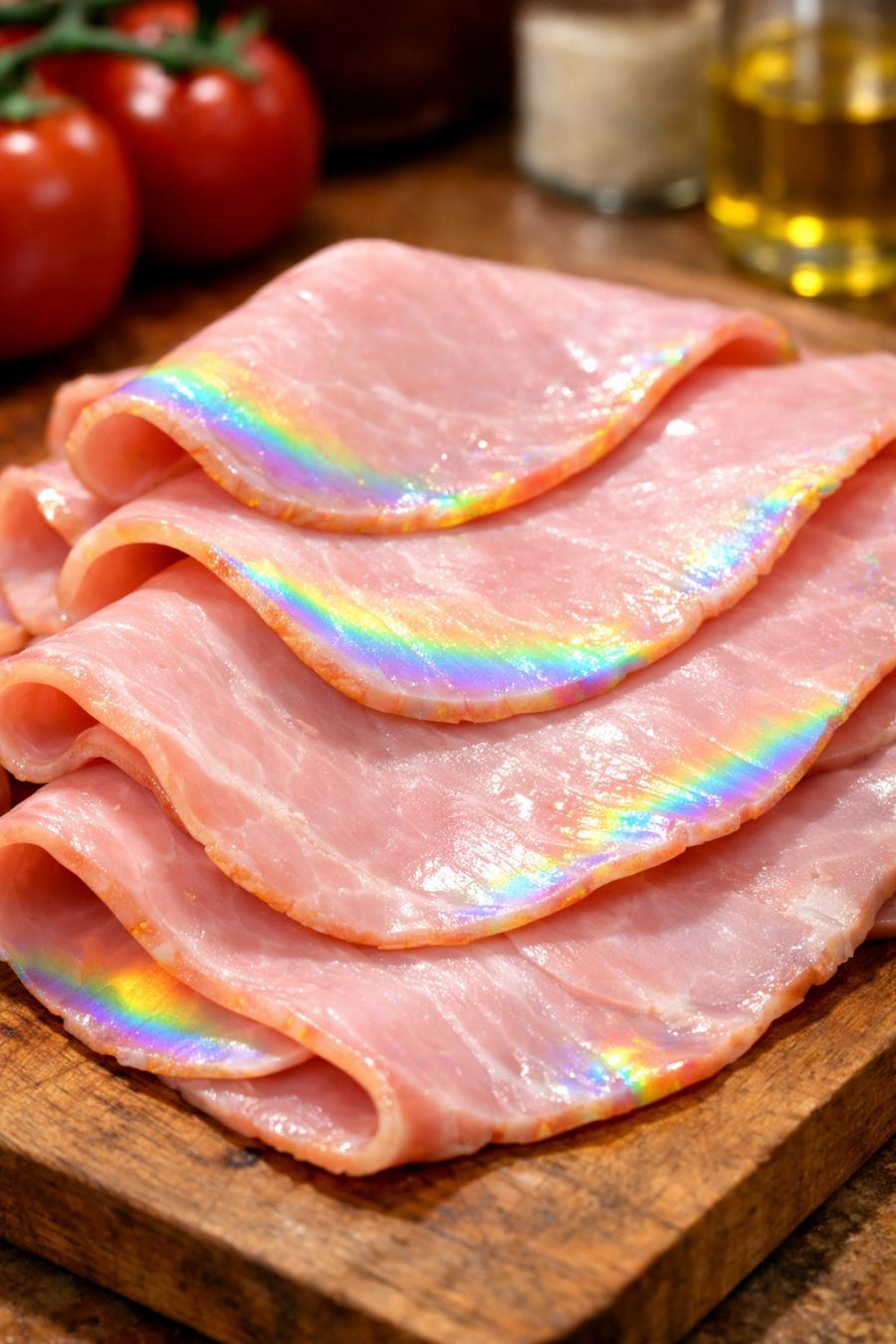
It’s also important to pay attention to the expiration date and consume the ham within a few days of opening the package. Leaving the ham exposed to air or storing it at higher temperatures can accelerate spoilage, leading to unpleasant odors and textures.
9. When to Toss the Ham and When It’s Safe to Eat
Determining when to toss deli ham depends on a combination of visual, olfactory, and tactile assessments. If the ham shows any signs of discoloration, mold, or off-putting odors, it should be discarded immediately. A slimy or sticky texture is another indicator that the ham is no longer safe to eat.
Conversely, if the ham’s only unusual feature is its iridescent sheen, and it otherwise smells and feels fresh, it is generally safe to consume. Trusting your senses is key, and if you’re ever in doubt, it’s best to err on the side of caution.
10. Expert Tips for Buying and Storing Deli Ham Safely
When purchasing deli ham, choose a reputable supplier and check that the product is within its expiration date. Opt for ham that is pre-packaged or freshly sliced in-store, and avoid meats that appear discolored or have an off smell.
For storage, keep deli ham in the coldest part of your refrigerator, ideally in a sealed container or tightly wrapped to prevent exposure to air. Consuming the ham within three to five days of opening will ensure optimal freshness and safety.
11. What to Do If You’re Still Worried About That Rainbow
If you’re still concerned about the iridescent shine on your deli ham, remember that it is typically harmless and a natural occurrence. However, if you find it off-putting or are unsure about the ham’s freshness, consider using the ham in cooked dishes where the texture and appearance are less noticeable.
Advertisement
For those who remain uneasy, buying thicker cuts of ham or opting for freshly roasted meats that haven’t been processed as extensively might help alleviate concerns. Ultimately, trust your instincts and use your senses to guide you in determining the safety of your food.
Resources
