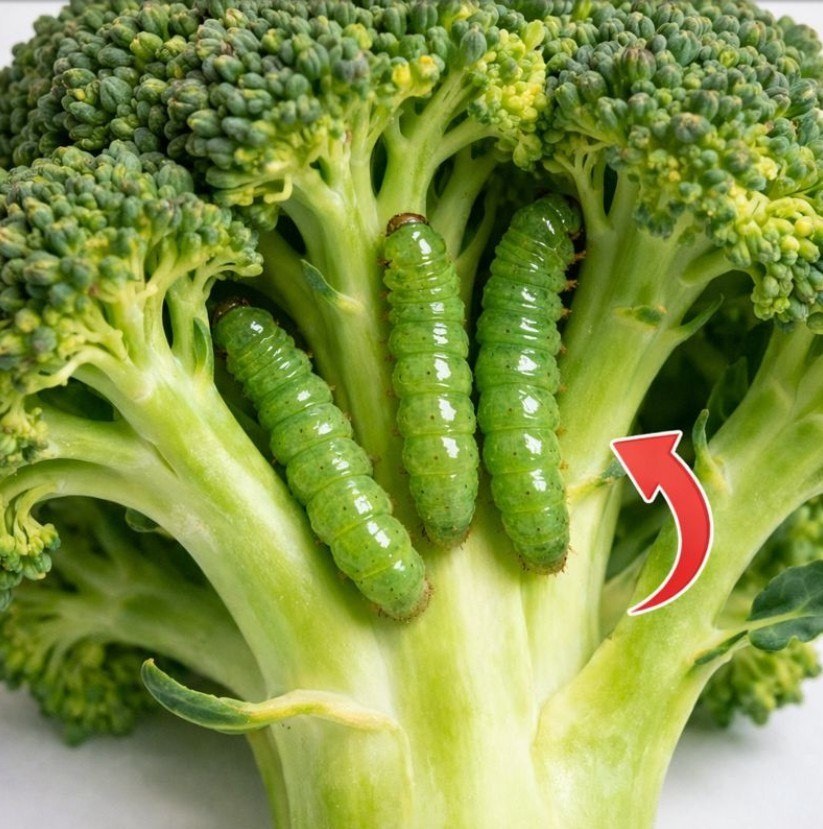
Did You Know Broccoli Hides Dirt? Here’s How to Clean It the Right Way
Broccoli is one of the healthiest vegetables you can put on your plate. It’s packed with fiber, vitamin C, vitamin K, iron, antioxidants, and powerful plant compounds linked to reduced inflammation and better overall health. It’s a staple in stir-fries, salads, soups, casseroles, and even smoothies.
But here’s something many people don’t realize:
Broccoli can hide dirt, sand, tiny insects, and pesticide residue deep inside its florets.
If you’ve ever bitten into a dish and felt a strange gritty crunch, you’ve probably experienced poorly cleaned broccoli. The tight, tree-like structure that makes broccoli so appealing is also the very thing that traps unwanted debris.
In this post, we’ll explore:
Why broccoli hides dirt so easily
What might actually be lurking inside
Whether rinsing is enough
The best step-by-step method to clean broccoli properly
Extra tips for organic, frozen, and homegrown broccoli
Let’s dig in.
Why Broccoli Traps Dirt So Easily
Take a close look at a head of broccoli. Its surface isn’t smooth like a bell pepper or tomato. Instead, it’s made up of hundreds of tiny buds clustered together into dense florets.
Each floret contains:
Tight crevices
Overlapping buds
Small branching stems
Compact flower heads
This structure creates countless tiny pockets where:
Soil particles can lodge
Sand can settle
Bugs can hide
Spray residue can cling
Broccoli grows low to the ground and has dense tops, making it especially vulnerable to collecting debris during cultivation. Rain, irrigation water, wind, and soil disturbance all contribute to particles getting trapped in its crown.
Even if it looks clean on the outside, the interior can tell a different story.
What Might Be Hiding Inside Broccoli?
While the idea may sound unsettling, it’s important to understand what you might encounter.
1. Dirt and Sand
The most common issue is simple soil residue. During harvesting and transportation, tiny particles can get embedded deep within the florets.
2. Tiny Insects
Broccoli belongs to the cruciferous vegetable family, which is known to attract:
Aphids
Cabbage worms
Small beetles
Thrips
These insects are tiny—sometimes smaller than a grain of rice—and can easily go unnoticed unless you soak the vegetable.
Even organic broccoli is susceptible, sometimes even more so because fewer synthetic pesticides are used.
3. Pesticide Residue
see next page
