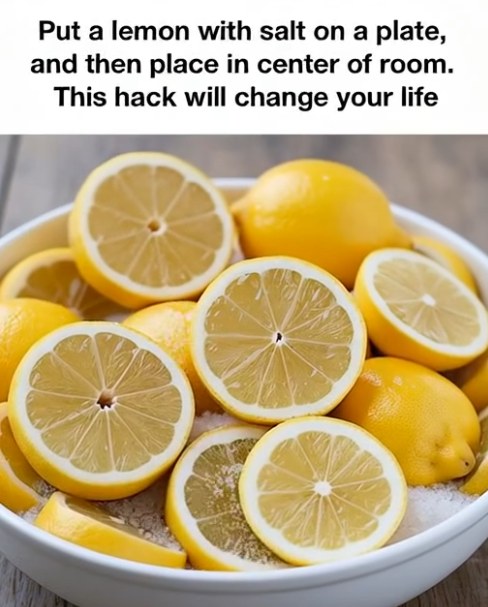
Dispose of old lemon and salt. When you remove the lemon and salt (e.g. next morning), you can discard it. Some traditions even burn or flush the items to symbolically “release” the negative energy they absorbed. Empty the plate, wash it, and start fresh if you wish to continue the ritual.
Precautions. A few cautions: (a) Used lemon slices will grow mold or attract fruit flies if left too long, so change them often. (b) If anyone in the home is allergic to citrus, this may trigger irritation. (c) Keep the lemon and salt out of reach of pets – for example, cats dislike citrus smells and the essential oils can be harmful if ingested in quantity. (d) Don’t rely on this as a sole method for air quality or health; it’s a supplemental practice at best. Finally, remember to clean the plate or bowl regularly to prevent sticky residue from salt and lemon juice.
Expert Opinions and Evidence
What do experts say about this practice? Mainly that the claims exceed the evidence. Medical and environmental experts caution against relying on unproven home remedies for serious benefits:
Air quality experts: As noted, organizations like the Cleveland Clinic and health writers emphasize there is no proof that salt or lemon “purify” the air. In fact, the Cleveland Clinic’s Dr. Neha Vyas advises, “If you’re serious about improving the air quality in your home, try an air purifier… [which has been] shown to remove particles from indoor spaces”. By contrast, salt lamps (and by analogy salt bowls) can create a pleasant glow or sense of ambiance, but have “little evidence to back up claims” of health effects. Similarly, salt is known chemically to not generate significant “negative ions” at room temperature; any ion-generating effect of salt devices is essentially unproven.
Health professionals: No doctor recommends the lemon-and-salt trick as a cure. Experts simply note that citrus scents can affect mood, but they treat this like any other aromatherapy. For example, one health writer explains that although high-level negative ions can affect mood, a salt lamp or lemon bowl cannot produce nearly enough ions to impact health. The bottom line from physicians is this: You might enjoy the ritual and smell, but don’t expect it to medically clean your air or ward off illness. Cleveland Clinic’s website bluntly states: “There’s little evidence to back up the claims” that such home remedies improve air quality, sleep, or mood.
Air purifier comparison: For context, the same experts recommend proven methods if you have indoor air issues. Proper ventilation, HEPA filters, and good housekeeping remove allergens and volatile chemicals. In contrast, leaving a lemon on a plate is not a substitute. One review found that even a real ionizer (with strong electrical charge output) failed to help asthma or respiratory function. So we should view lemon-and-salt as a mild home fragrance ritual, not a health device.
Cultural perspective: Anthropologists and folklorists note that many of these beliefs are symbolic. They may contribute real psychological comfort, but not measurable physical change. Dr. Stephanie M. Lee (a medical anthropologist) has commented on similar practices, saying that the feeling of well-being comes from ritual and intention more than material effect. In the case of lemon and salt, the ritual of care – doing something “to clean your space” – may itself reduce stress. (No formal study exists on this particular ritual, but the general placebo and ritual effect is recognized in psychology.)
In summary, mainstream sources neither confirm nor celebrate any magical power of lemon slices or salt bowls. What they do confirm is that citrus scents can be mood-boosting, which is the closest thing to a solid benefit here. They also warn that claims about “negative ions” and germ-killing are unsupported.
Conclusion
Placing a lemon with salt on a plate in your room is largely a folk remedy. It does harness some natural features of lemon – namely its bright scent and acidity – which can make your home smell fresher and help you feel uplifted. This, combined with the comforting symbolism of “cleansing,” explains why people like it. Culturally, lemon-and-salt rituals connect to global traditions of purification and protection.
However, from a scientific standpoint, don’t count on it as a real air purifier or disinfectant. Experts say: enjoy the lemon fragrance if you like it, but rely on proven methods (cleaning, ventilation, air filters) for actual air quality and hygiene. If the lemon-and-salt setup helps you relax or meditate, that’s a fine bonus, but treat it more as a symbolic or aromatherapy practice than a health cure. In the end, many home “wellness hacks” are about intention and ambiance. Placing lemon slices with salt can be a harmless ritual that smells nice – just don’t expect it to literally absorb poisons or bad vibes from the air. As one expert puts it, “take all such claimed benefits with a grain of salt”, appreciating the positive psychology but recognizing the limits of the science.
Sources: This article draws on health and science journalism (e.g. Cleveland Clinic and Healthline reviews), aromatherapy research, ethnobotanical lore, and cultural reports. For example, health experts note the lack of evidence for salt lamps and similar trends, while aromatherapy studies show lemon scent’s calming effect. Traditional remedies (Times of India, folk blogs) illustrate the widespread use of citrus and salt for “cleansing” Together these sources help separate the practical uses of lemon (fresh aroma) from the mythical ones (energy cleansing), giving you a balanced view.
