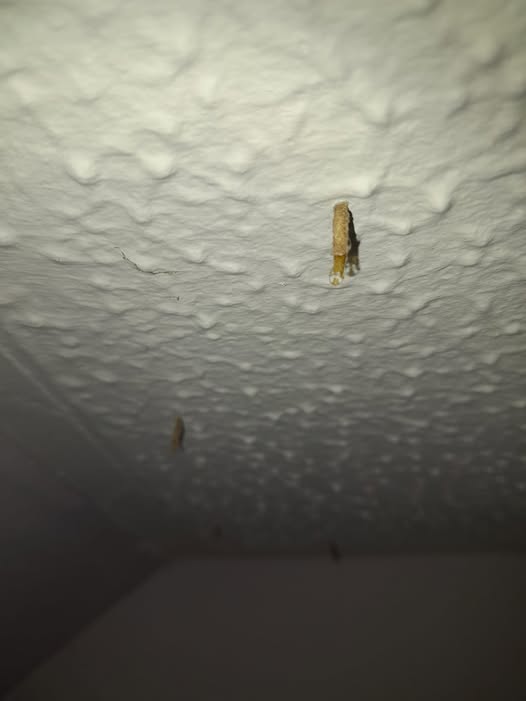
The term “ceiling creepers” isn’t a scientific one—but it’s commonly used by homeowners to describe insects or small pests that crawl across ceilings, often at night. These unwelcome guests can be unsettling, but most are harmless (if annoying). The key is identifying what they are—so you can remove them safely and prevent their return.
The term “ceiling creepers” isn’t a scientific one—but it’s commonly used by homeowners to describe insects or small pests that crawl across ceilings, often at night. These unwelcome guests can be unsettling, but most are harmless (if annoying). The key is identifying what they are—so you can remove them safely and prevent their return.
.
🔍 Step 1: Identify the “Creeper”
Here are the most common ceiling-dwelling pests—and how to tell them apart:
Pest
Appearance
Behavior
Why They’re on Your Ceiling
Silverfish
Silvery-gray, teardrop-shaped, ½–1″ long, three tail-like bristles
Fast, erratic movement; avoid light
Drawn to humidity (bathrooms, attics); eat starches (glue, paper, fabric)
Booklice (Psocids)
Tiny (1–2mm), pale, soft-bodied
Slow-moving; cluster in damp areas
Feed on mold—indicate high humidity or water leaks
