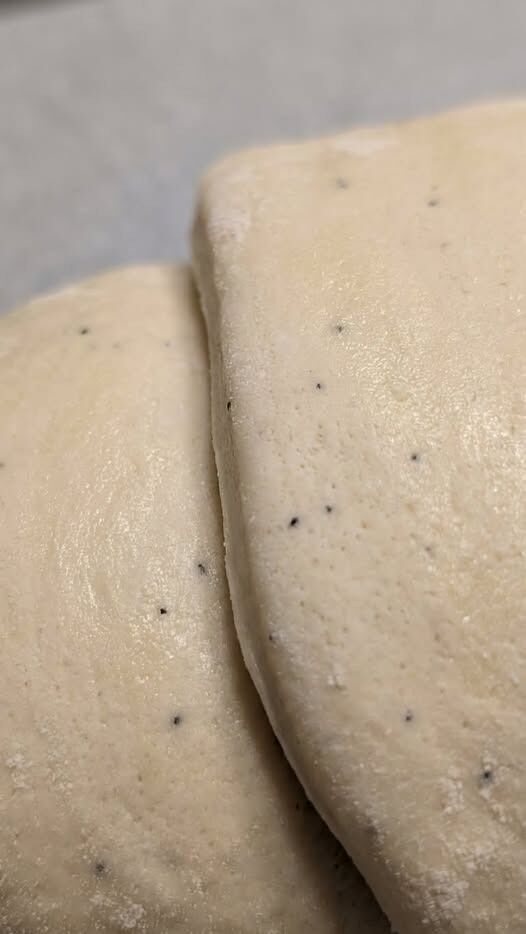
Noticing small black dots on puff pastry can be unsettling, especially if you’re preparing a meal for guests or family. However, in many cases, these tiny marks are harmless and do not indicate spoilage. Before discarding the dough, take a closer look. Puff pastry is made from simple ingredients—flour, butter, water, and sometimes salt—and natural…
Noticing small black dots on puff pastry can be unsettling, especially if you’re preparing a meal for guests or family. However, in many cases, these tiny marks are harmless and do not indicate spoilage. Before discarding the dough, take a closer look. Puff pastry is made from simple ingredients—flour, butter, water, and sometimes salt—and natural reactions during storage or baking can create slight discoloration. A careful inspection can help you decide whether it’s safe to proceed.
Start by checking for signs of actual mold. Mold typically appears fuzzy or raised and may show shades of green, blue, gray, or white. It often has a sour, unpleasant odor and may feel damp or slimy to the touch. If you observe these characteristics, it’s best to discard the pastry immediately. In contrast, harmless specks are usually flat, dry, and evenly distributed. They resemble tiny freckles rather than spreading patches and do not alter the texture of the dough.
