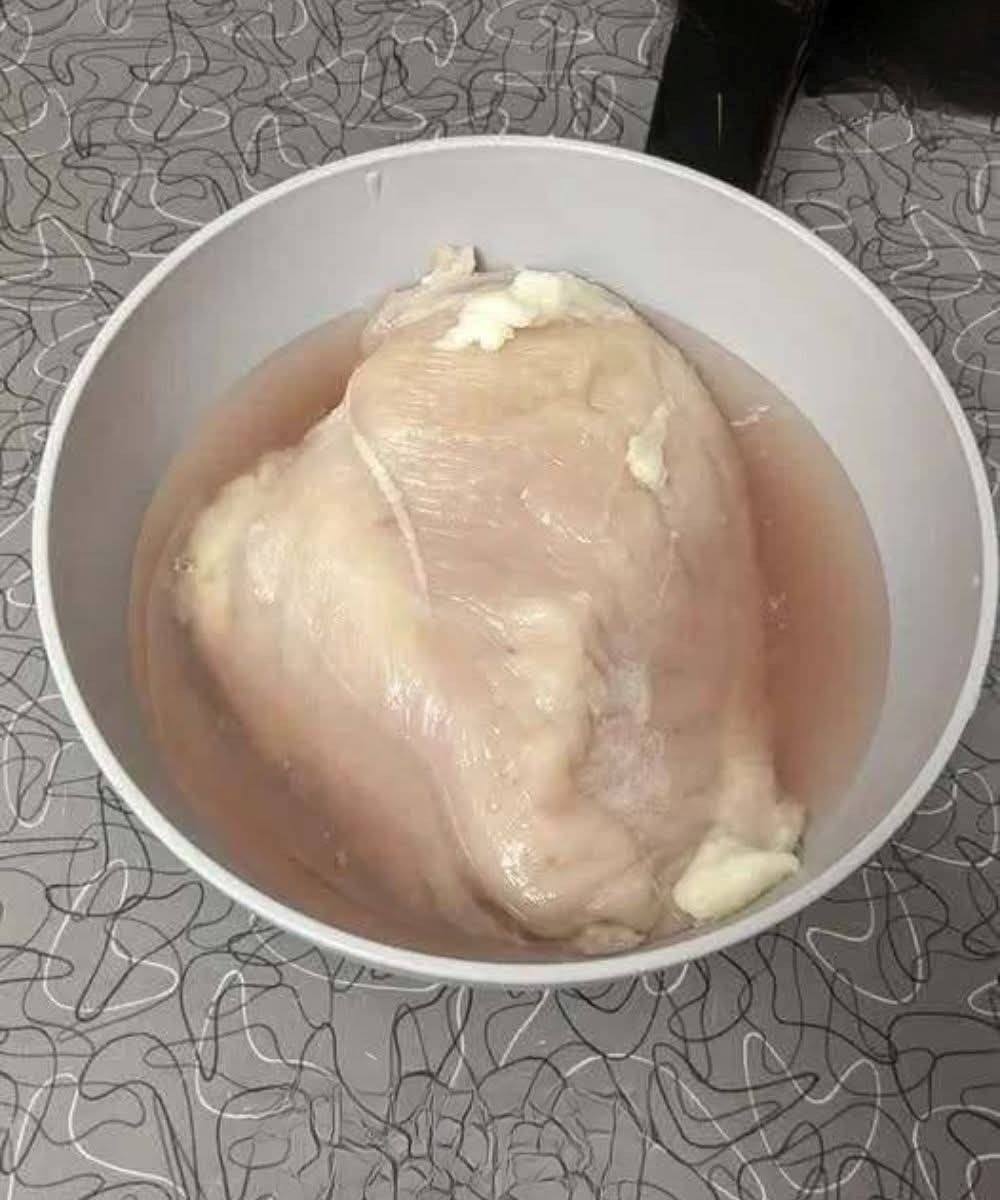
It’s a question that has likely crossed the minds of nearly everyone who’s ever found leftover chicken sitting on the counter: “Is this still safe to eat?” Whether it’s a roasted chicken from last night’s dinner, a leftover piece from a takeout order, or a batch of grilled chicken for meal prep, the scenario is common. Yet the consequences of making the wrong choice can be serious.Let’s explore this topic in detail—why leaving chicken out overnight is dangerous, the science behind bacterial growth, common myths, proper food storage, and practical ways to prevent foodborne illness. By the end, you’ll have a clear understanding of when chicken is safe, when it’s not, and how to avoid a potentially nasty mistake.
The Risks of Leaving Chicken Out
Chicken, whether raw or cooked, is highly perishable. When left at room temperature, it becomes an ideal breeding ground for bacteria, including some that can make you seriously ill. The most common culprits include:Groceries
Salmonella: One of the leading causes of foodborne illness, Salmonella can cause diarrhea, fever, abdominal cramps, and vomiting. Severe cases can require hospitalization.
Clostridium perfringens: Known as the “buffet bug,” this bacterium thrives in food left at temperatures between 40°F and 140°F (4–60°C). It can multiply rapidly, causing nausea and diarrhea.
Staphylococcus aureus: Present on human skin, this bacterium can contaminate food and produce toxins that are not destroyed by cooking.
These bacteria grow most rapidly in the danger zone, defined by the USDA as 40°F to 140°F (4–60°C). Leaving chicken out overnight—typically 6–12 hours or more—keeps it well within this danger zone, allowing bacterial colonies to proliferate to unsafe levels.
