The Jelly in Your Spam: What It Means and How to Check for Freshness
Posted onFebruary 13, 2026 ByadminNo Commentson The Jelly in Your Spam: What It Means and How to Check for Freshness
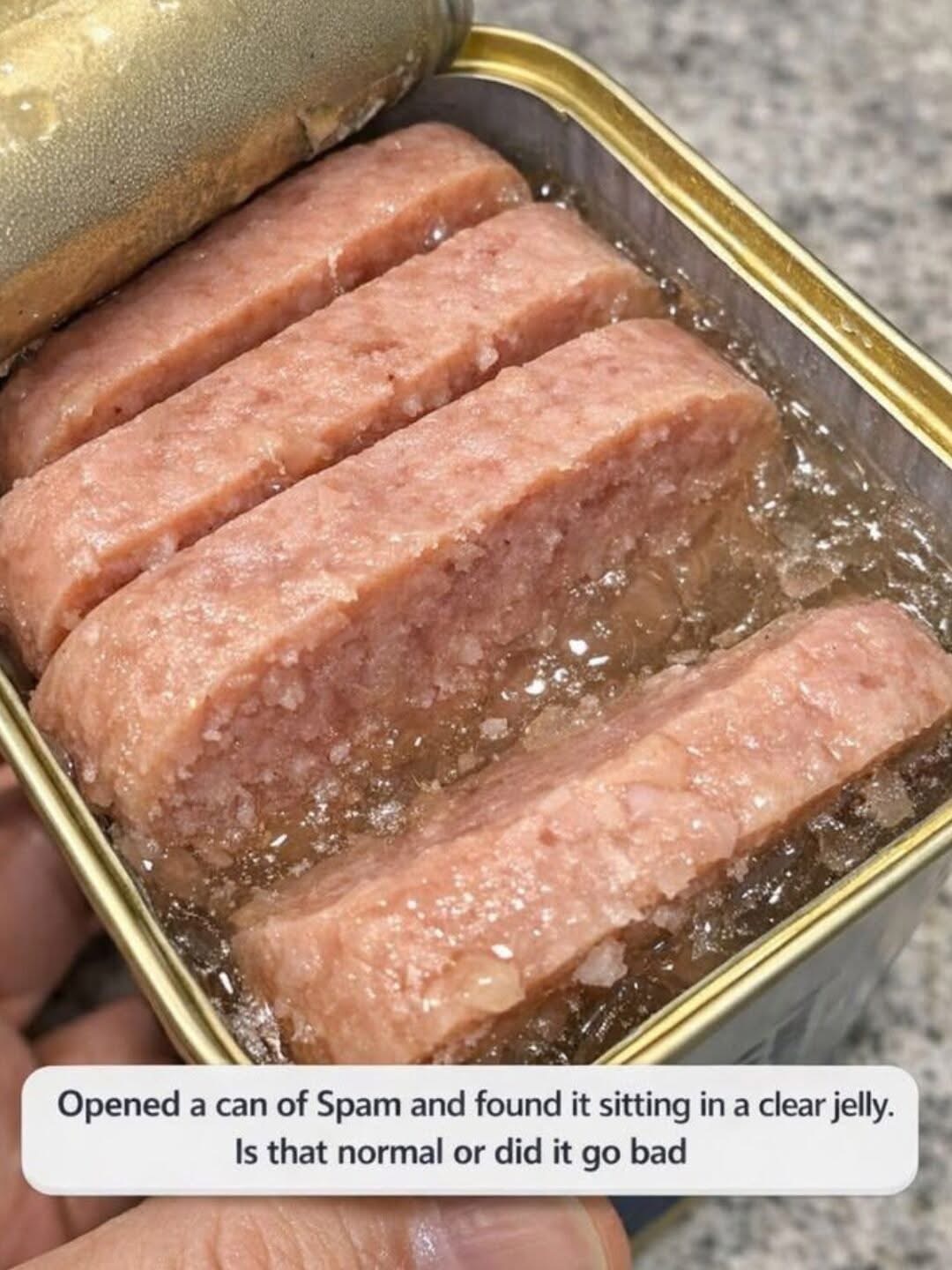
Opening a can of Spam sometimes reveals a thin, clear, jelly-like layer resting on top of the meat. For first-time users, that sight can raise questions about freshness or quality. In reality, the gelatin layer is a normal result of the cooking and cooling process. During production, proteins and natural fats from pork shoulder and…
The Jelly in Your Spam: What It Means and How to Check for Freshness
Posted onFebruary 13, 2026 ByadminNo Commentson The Jelly in Your Spam: What It Means and How to Check for Freshness
Opening a can of Spam sometimes reveals a thin, clear, jelly-like layer resting on top of the meat. For first-time users, that sight can raise questions about freshness or quality. In reality, the gelatin layer is a normal result of the cooking and cooling process. During production, proteins and natural fats from pork shoulder and ham release gelatin. As the product cools inside the sealed can, that liquid firms into a translucent gel. It’s similar to how homemade broth thickens in the refrigerator. On its own, this jelly is not a sign of spoilage and is safe to consume when the product has been stored properly.
That said, canned foods require basic inspection before eating. While cans are designed for long shelf life, damage during transport or storage can compromise safety. A quick three-step check helps reduce risk: examine the can’s exterior, inspect the contents visually, and evaluate the smell. This routine takes less than a minute and provides reassurance that the food remains safe. If anything seems unusual at any stage, it is best to discard the product rather than take chances.
