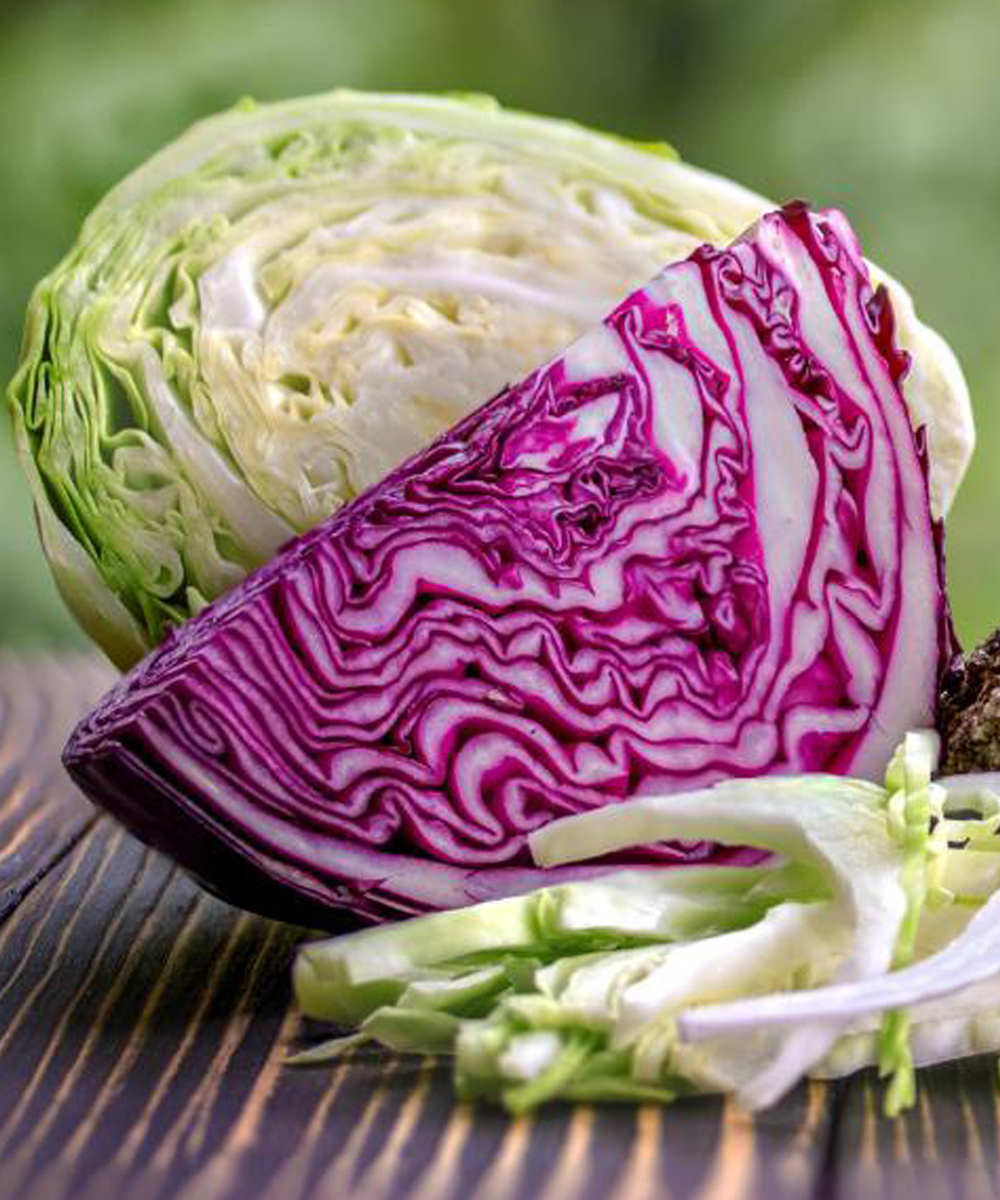
Cabbage is widely praised as a nutritious vegetable — and for good reason. It’s rich in vitamin C, vitamin K, fiber, and antioxidants, all of which support digestion, immunity, and overall health.
However, what many people don’t realize is that cabbage isn’t suitable for everyone, especially when eaten in large amounts or prepared incorrectly. For certain individuals, excessive or improper cabbage consumption may worsen existing health conditions or interfere with medications.
Below are four groups of people who should limit or be cautious when eating cabbage, along with practical tips to enjoy it safely.
1. People Taking Anticoagulant Medications (e.g., Warfarin)
Cabbage contains high levels of vitamin K, a nutrient that plays a key role in blood clotting. While vitamin K is essential for health, sudden changes in intake can interfere with anticoagulant medications like warfarin, reducing their effectiveness.
What to do:
You don’t need to avoid cabbage entirely
Keep your intake consistent from week to week
Inform your doctor so medication dosages can be adjusted if needed
2. People With a History of Calcium-Oxalate Kidney Stones
Cabbage contains oxalates, compounds that can bind with calcium in the urine and increase the risk of stone formation in susceptible individuals.
