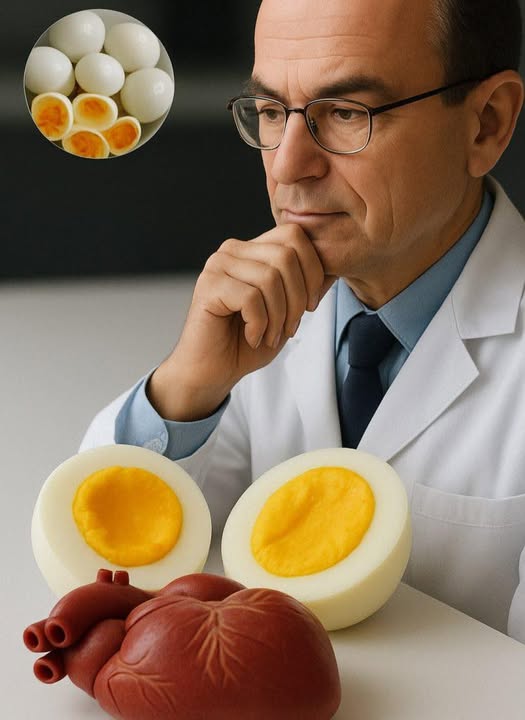
Eating boiled eggs in the morning can have either a positive or neutral effect on blood vessel health. This depends on your overall diet, health status, and the amount of eggs you consume.
Here’s how boiled eggs can support cardiovascular (heart and blood vessel) health:
How boiled eggs support cardiovascular health
Rich in high-quality protein
Boiled eggs are a complete source of protein, which helps maintain muscle mass — including heart muscle — and supports overall metabolism, which is indirectly beneficial for the circulatory system.
Loaded with heart-healthy nutrients
Choline: Supports brain and nervous system health, but also regulates homocysteine, a compound linked to heart disease when elevated.
Vitamin D: Key for endothelium (lining of blood vessels) function and blood pressure regulation.
Selenium and vitamin B12: Support red blood cell production and blood circulation.
Feeling full and weight control
Eggs help you feel fuller for longer, which can reduce snacking and aid in weight control — important for reducing the risk of high blood pressure, atherosclerosis, and other cardiovascular problems.
Considerations: Cholesterol and saturated fat
Dietary cholesterol is not a big concern for most people.
A boiled egg contains about 186 mg of cholesterol, mostly in the yolk. Research shows that dietary cholesterol has a minimal impact on blood cholesterol levels for most people. The 2020–2025 U.S. Dietary Guidelines no longer restrict dietary cholesterol, but they recommend moderate consumption.
However:
People with type 2 diabetes, familial hypercholesterolemia, or a history of heart disease may need to limit their intake of egg yolks. In such cases, it’s a good idea to talk to your doctor.
Boiled eggs may be a better choice than fried ones.
Boiling avoids added saturated fats and oxidized oils, which can damage blood vessels. This makes boiled eggs a more heart-safe option compared to eggs fried in butter or processed fats.
Conclusion
Eating 1 boiled egg a day in the morning is generally safe and may support blood vessel health, especially as part of a balanced diet rich in fruits, vegetables, whole grains, and healthy fats. If you have existing heart disease, diabetes, or high cholesterol, it’s wise to discuss egg intake with a doctor or dietitian.
This article is for informational purposes only and is not a substitute for professional medical advice. If you have any questions about your health or individual diet, it is recommended that you consult a doctor or nutritionist.
This article is for informational purposes only. Do not self-medicate and always consult a qualified medical professional before applying any information from the text. The editorial team does not guarantee results and is not responsible for any damages resulting from its use.
